Night-Time Period Care: How to Sleep During Periods Without Leaks or Discomfort
Getting a good night’s sleep during your period can feel challenging. Between worrying about stains, waking up to check your pad, dealing with cramps, or feeling uncomfortable due to moisture, periods can affect your rest more than you expect.
Many people experience night-time leaks not because they are using the wrong product, but because daytime protection is not always designed for 7-9 hours of sleep. During sleep, your body changes positions multiple times, your flow may continue, and blood can move differently depending on your sleeping posture.
Understanding how to sleep during periods comfortably involves choosing the right protection, preparing before bed, and making small changes that help prevent leaks and discomfort. Learning how to sleep during periods without worrying about leaks can make your nights much more restful.
Why Do Period Leaks Happen While Sleeping?

Period leaks at night are common and usually happen because of a combination of factors. Understanding what causes period leaks can help you choose the right protection and reduce the chances of leaks while sleeping:
1. Movement during sleep
An average person changes their sleeping position several times throughout the night. When you turn from your back to your side or stomach, menstrual flow may move toward areas where your pad has less coverage.
2. Using daytime pads overnight
Regular pads are designed for shorter wear durations and daytime movement. Overnight protection usually needs:
-
Longer coverage
-
Better back protection
-
Higher absorbency
-
Secure placement to prevent shifting
This is why many people prefer using overnight sanitary pads or specifically designed overnight sanitary pads during their periods.
3. Heavy flow days
The first few days of periods often come with heavier flow. During these days, a pad that works well during the day may not provide enough protection throughout the night.
4. Incorrect pad placement
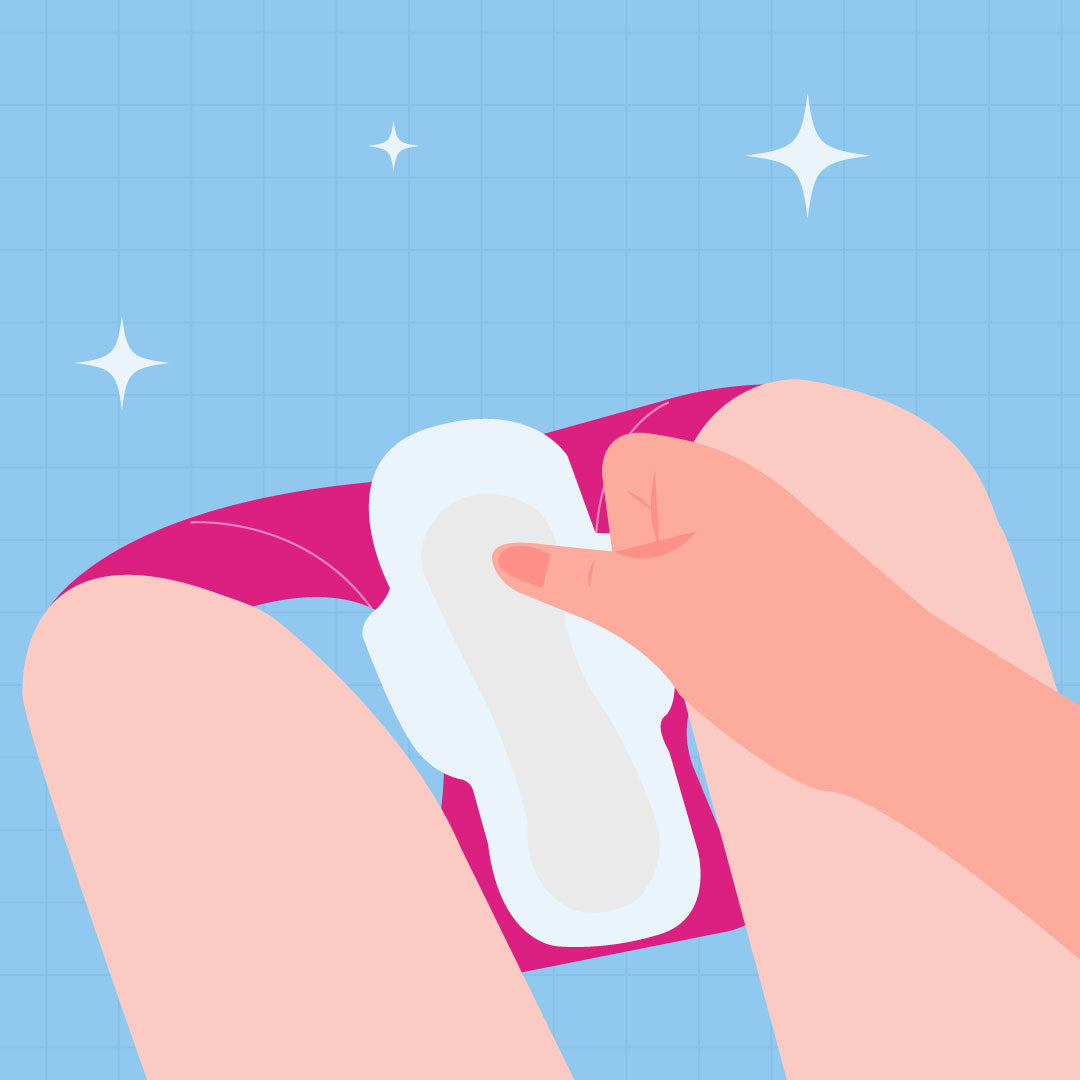
Even a highly absorbent pad may leak if it is not positioned correctly. A pad placed too far forward or backward can leave areas exposed, especially when you sleep on your side.
How to Sleep During Periods:
6 Practical Tips to Prevent Leaks
If you're wondering how to sleep during periods more comfortably, the good news is that a few simple changes can make a big difference. Choosing the right menstrual products, finding a comfortable sleeping position, and preparing before bed can help you sleep with greater confidence.
-
Choose overnight protection instead of regular pads.

The most important step for comfortable period sleep is choosing the right sanitary pad for your flow, especially one designed specifically for nighttime use.
Look for features like:
-
Extra length for better front-to-back coverage
-
Leak barriers to reduce side leakage
-
Absorbent layers that lock away moisture
-
Soft, breathable materials to reduce irritation
For heavy flow nights, overnight sanitary pads such as Plush XXXL Pads (410mm) provide extended coverage & 2X wider back with features like leak-lock side walls and absorbent channels, helping reduce the chances of leaks while sleeping.
A good overnight pad should not just absorb flow; it should also stay comfortable when worn for several hours.
2. Try sleeping positions that may reduce discomfort.
While there is no single “perfect” sleeping position for everyone, some positions can feel more comfortable during periods.
1. Fetal position (sleeping curled on your side).
This is often considered one of the more comfortable positions during periods because:
-
-
It may help relax abdominal muscles
-
It can reduce pressure around the stomach area
-
It keeps the body naturally curled and supported
-
2. Sleeping on your back.
This position can work well if your overnight pad provides enough back coverage. It may help distribute pressure evenly and avoid extra compression around your abdomen.
3. Avoid sleeping face-down if it increases discomfort.
Sleeping on your stomach can put pressure around your lower abdomen, which may feel uncomfortable for some people during cramps.
The best sleeping position during periods depends on your comfort, flow pattern, and personal preference.
3. Change your pad right before going to bed.
A simple but often overlooked habit: always start the night with fresh protection.
Changing your pad before sleeping helps:
-
Reduce moisture build-up
-
Improve comfort
-
Give maximum absorbency during the night
-
Reduce the chances of waking up due to discomfort
If you have a heavier flow, consider keeping an extra pad nearby for easy changes if needed.
4. Wear comfortable, breathable sleepwear.
Tight clothing can make period discomfort worse by creating friction and trapping heat.
Choose:
-
Loose cotton underwear
-
Breathable nightwear
-
Comfortable bottoms that allow movement
The goal is to create a sleep environment where your body feels relaxed and unrestricted. Breathable fabrics can help reduce discomfort caused by sweat and moisture, allowing you to rest more comfortably throughout the night.
5. Consider Plush Period Panties for Overnight Protection

For those looking for a reliable alternative to traditional overnight sanitary pads, period underwear can provide comfortable, leak-resistant protection throughout the night.
Unlike regular underwear, period underwear is designed with built-in absorbent layers that help manage menstrual flow while providing coverage around the body. They can be especially useful for people who:
-
Move a lot while sleeping
-
Experience side or back leaks with pads
-
Prefer a more secure, body-hugging fit
-
Want protection without constantly adjusting their pad
Plush Period Panties are designed as leak-proof underwear for overnight comfort with 360° protection, helping provide coverage from different sleeping positions. With absorbency equivalent to up to 3 pads and protection for up to 12 hours, they can help you sleep comfortably without constantly worrying about leaks.
6. Manage cramps before bedtime
Period discomfort can make it harder to fall asleep. Creating a relaxing bedtime routine may help.
Try:
-
Using a warm Plush Hot Water Bags with a soft fur cover on your lower abdomen.
-
Gentle stretching before sleep
-
Taking a warm shower
-
Maintaining a comfortable sleeping environment
If your cramps are severe, suddenly worse than usual, or affecting daily activities regularly, consider consulting a healthcare professional.
Are Overnight Sanitary Pads Better Than Regular Pads for Sleeping?
Yes, overnight pads are generally better suited for sleeping because they are designed with longer coverage and higher absorbency for extended wear.
Unlike regular pads, overnight sanitary pads are usually longer and provide additional protection at the back, where leaks commonly happen while lying down.
However, the right choice depends on your flow, comfort preferences, and skin sensitivity.
Can You Sleep With a Pad Overnight?
Yes, you can sleep with a pad overnight. However, it is important to choose the right product and avoid wearing the same pad longer than recommended. If you're wondering how often you should change your pad, we've covered it in detail in our dedicated guide. In general, change your pad after waking up and avoid prolonged wear to maintain better comfort and hygiene.
Long periods of wearing a wet pad may increase discomfort and irritation for some people. Changing your pad regularly, choosing breathable materials, and following a few simple tips to prevent period rashes can support better menstrual hygiene.
Night-Time Period Care Checklist

Before going to sleep during your period:
✓ Use a fresh overnight pad.
✓ Choose the right absorbency for your flow.
✓ Position the pad correctly.
✓ Wear breathable underwear.
✓ Keep spare protection nearby.
✓ Consider period panties like Plush comfort high waist period panty for nights when you want full-coverage, leak-proof comfort.
✓ Use heat therapy if cramps disturb sleep.
Small changes can make night-time periods much more comfortable.
In a Nutshell
Sleeping comfortably during your period comes down to choosing the right protection, understanding your flow, and creating a routine that helps you feel comfortable throughout the night. Using overnight sanitary pads, considering period panties, wearing breathable sleepwear, and managing cramps before bedtime can help reduce leaks and discomfort, so you can rest with more confidence.
FAQs
-
What is the best sleeping position during periods?
The best sleeping position during periods depends on personal comfort, but many people find the fetal position comfortable because it may help relax abdominal muscles and reduce pressure during cramps.
-
How can I stop my period from leaking at night?
To reduce night-time leaks, choose protection designed for longer wear, such as Plush overnight pads with extended coverage or Plush period panties that provide a secure, full-coverage fit. Changing your pad before sleeping, selecting the right absorbency level for your flow, and ensuring proper placement can also help prevent leaks while you sleep.
-
How long can you wear an overnight pad while sleeping?
Most people can wear an overnight pad for the duration of normal sleep, but it is important to change it after waking up and avoid wearing a wet pad for extended periods.
-
Are period panties better than overnight pads?
Both options work well for night-time protection, but the right choice depends on your needs. Overnight pads are ideal for heavy flow nights when you prefer extra length and absorbency, while period panties/period underwear are a good choice if you want full-coverage protection that stays in place while you sleep. You can choose based on your flow, comfort, and sleeping habits.
-
Why do I leak even when I use a pad at night?
Night-time leaks can happen due to heavy flow, movement during sleep, incorrect pad placement, or using a pad that does not provide enough coverage for overnight protection.