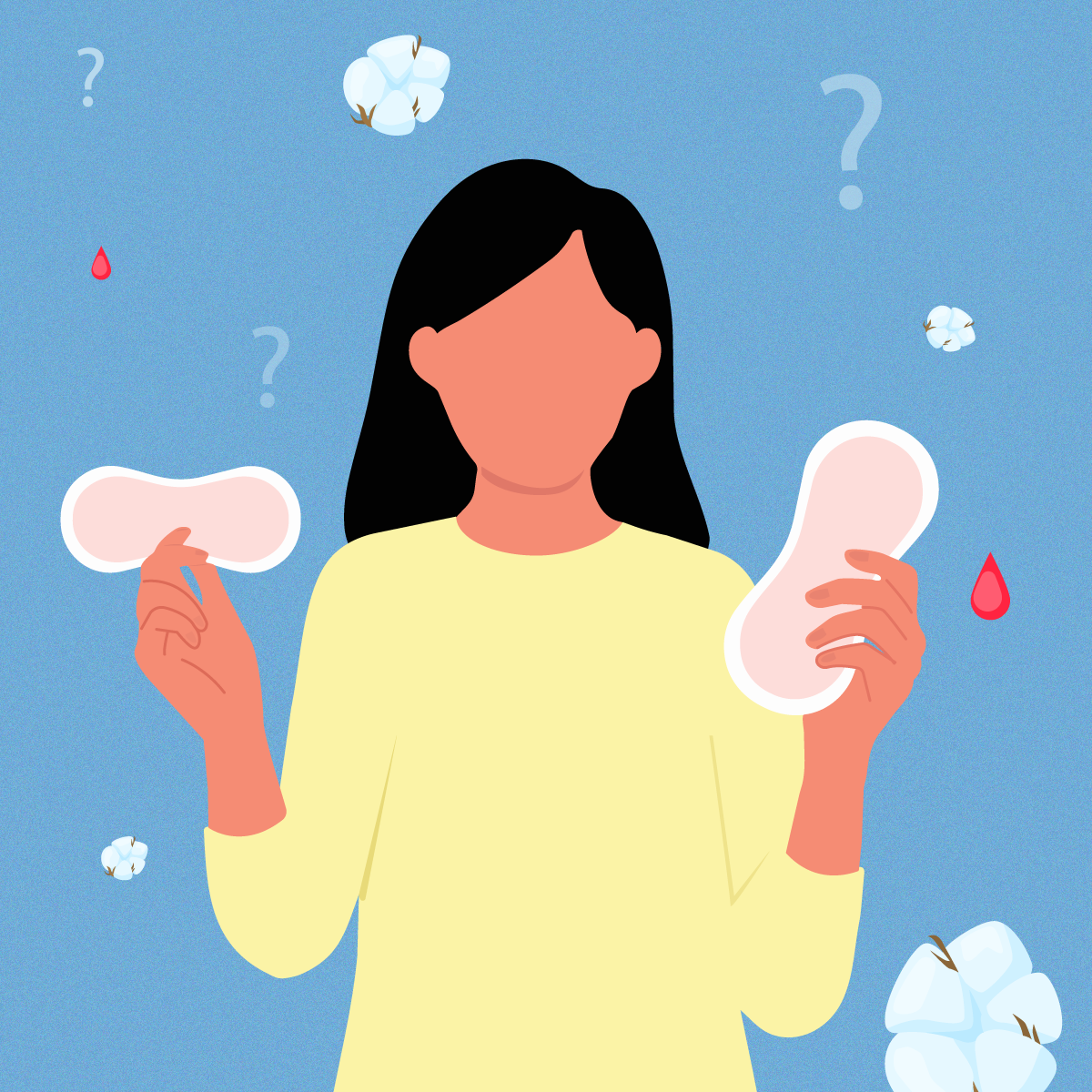
How Often Should You Change Your Pad? (And Why It Matters)
Introduction
Knowing how often you should change your pad is essential for maintaining good menstrual hygiene, preventing infections, and ensuring comfort during periods.
Most discomfort during menstruation such as odor, rashes, or irritation is not caused by periods themselves, but by delayed pad changes or improper hygiene practices.
Global health authorities, including the World Health Organization (WHO), recognize menstrual health as a fundamental part of reproductive health, gender equality, and human dignity.
In this guide, you’ll learn the ideal pad change time, warning signs, health risks of delayed changes, and best hygiene practices.
How Often Should You Change Your Pad?
Understanding how often you should change your pad is essential for maintaining proper menstrual hygiene and preventing discomfort or irritation.
According to the Centers for Disease Control and Prevention (CDC), good menstrual hygiene practices include regularly changing sanitary pads to maintain cleanliness, reduce odor, and prevent irritation or infections.
👉 In general, changing your pad every 4 to 6 hours is considered a good rule of thumb
However, the exact timing depends on your flow and activity level.
Here’s a standard guideline of how often you should change your pad:
-
Heavy flow: every 3-4 hours
-
Moderate flow: every 4-6 hours
-
Light flow: every 6-8 hours (maximum safe limit)
Even on lighter days, following the correct pad change time is important because prolonged use can lead to moisture buildup, which may affect skin comfort and hygiene.
You can read the official CDC guidance here: CDC Healthy Habits: Menstrual Hygiene

When to Change Pad During Your Period
Many people search for “when to change pad” because timing is not always obvious.
If you are unsure about how often you should change your pad, you should also learn when to change pad based on signals from your body.
You should change your pad immediately if:
-
It feels wet, heavy, or uncomfortable
-
The pad is more than halfway soaked
-
There is itching/irritation
👉 A key rule: don’t wait for your pad to become fully soaked before changing it. Even if it doesn’t look full, wearing the same pad for too long can increase the risk of irritation, and infections. A good rule of thumb? Change your pad every 4-8 hours depending on your flow.
Pad Change Time: Why It Matters
Understanding pad change time is important because it directly impacts hygiene and skin health.
If a pad is worn too long:
-
Moisture and heat increase
-
Bacterial growth accelerates
-
Skin remains in prolonged contact with menstrual blood
-
Friction causes irritation and discomfort
The National Health Service recommends regular changing of sanitary products to prevent bacterial buildup, reduce infection risk, and maintain menstrual hygiene.

What Happens If You Don’t Change Pads Regularly?
1. Pad rash (skin irritation)
One of the most common issues is pad rash, caused by friction and trapped moisture.
Symptoms include:
-
Redness on inner thighs
-
Itching or burning
-
Small bumps or irritation
-
Discomfort while walking or sitting
Changing your pad regularly can help reduce the risk of pad rash by keeping the area cleaner and drier throughout your period.
If you're prone to period rashes, you may also find it helpful to read our guide, “Period Rashes: Causes, Prevention Tips & How to Choose Rash Free Sanitary Pads for Sensitive Skin,” where we’ve shared practical ways to stay comfortable & rashfree throughout your cycle.
2. Odor buildup
Menstrual blood can develop odor over time. This is usually a normal process (unless it smells fishy) and usually a sign that the pad needs to be changed, not a hygiene failure.
3. Increased risk of infection or irritation
Wearing a pad for too long can increase moisture and bacterial growth in the area, which may raise the risk of skin irritation and, in some cases, infection. Maintaining regular changes supports better menstrual hygiene and comfort.
4. Urinary Tract Infections (UTIs)
UTIs are not directly caused by pads or menstrual blood. However, poor hygiene practices or prolonged dampness in the genital area may indirectly contribute to bacterial growth, which can increase infection risk in some cases.
Menstrual Hygiene: Why It Matters
Good menstrual hygiene is not only about cleanliness; it is about protecting skin health, preventing infections, and supporting overall well-being.
Maintaining proper menstrual health and hygiene helps:
-
Reduce the risk of bacterial and fungal infections
-
Prevent irritation and rashes
-
Improve comfort during daily activities
Simple habits like changing pads at the right time, maintaining cleanliness, and choosing suitable menstrual products all work together to support overall menstrual health and hygiene throughout the cycle, making periods more manageable and comfortable.

Best Practices for Pad Usage
To maintain proper menstrual hygiene during periods:
-
Change pads every 4-6 hours (max 8 hours if your flow is lighter)
-
Carry extra pads when traveling
-
Wash hands before and after changing pads
-
Dispose of used pads properly
-
Use overnight pads for sleep, but change in the morning

Common Mistakes to Avoid
-
Using one pad for too long due to light flow
-
Ignoring itching or mild irritation
-
Using scented pads filled with harsh chemicals
-
Not changing pads during long travel or work hours
-
Wearing the same pad overnight and not changing in the morning
Simple Rule to Remember
👉 Change your pad every 4-6 hours (max 8 hours if your flow is lighter), or sooner if it feels wet or uncomfortable.
Your body will usually signal when it’s time through discomfort, heaviness, or that damp feeling.

Choosing the Right Pad Can Make a Difference
Last but not the least, changing your pad regularly is important, but the type of pad you use also plays a role in overall comfort and hygiene. A soft, highly absorbent pad can help you stay comfortable between changes and reduce irritation caused by excess moisture.
For example, Plush Pads contain U.S. cotton and are designed for comfort across different flow needs. They come in multiple sizes so you can choose what suits your cycle better, whether it’s XL pads for everyday protection, XXL pads for heavier flow days, XXXL Overnight Pads for extra night coverage, or Panty Liners for spotting and light discharge.
The idea is not to extend pad usage time, but to choose the right absorbency so that your pad change time stays comfortable and effective.
👉 If you want a more detailed breakdown, you can read our guide on How to Choose the Right Sanitary Pads for Your Flow for a deeper understanding of sizing and absorbency.
FAQs
1. How often should you change your pad during periods?
You should change your pad every 4 to 6 hours on average. During heavy flow, it should be changed every 3 to 4 hours to maintain hygiene and prevent leakage.
2. What is the maximum time you can wear a pad?
You should generally change your sanitary pad every 3 to 4 hours, and no longer than 4-8 hours, even on light flow days. Beyond this, moisture buildup can increase the risk of pad rash, odor, and bacterial growth.
3. How do I know when to change pad?
If you are unsure about how often you should change your pad, look for signs like:
-
Wetness or heaviness
-
Discomfort while moving or sitting
-
The pad feels nearly full
-
Itching or skin irritation
These are natural signals that your pad change time has arrived.
4. Can wearing a pad too long cause infection?
Yes. Wearing a pad for too long can create a warm and moist environment that may encourage bacterial growth, increasing the risk of irritation and infection. Maintaining proper menstrual health and hygiene helps reduce these risks, as also emphasized by the World Health Organization (WHO) in the WHO Statement on Menstrual Health and Rights.
5. Do light flow days still require frequent pad changes?
Yes. Even on light flow days, pads should be changed every 4 to 8 hours maximum. Regular changes help prevent moisture buildup, reduce friction against the skin, and support good menstrual hygiene. If your pad becomes damp or uncomfortable sooner, change it even earlier.