The Fascinating History of Birth Control: Surprising Truth Revealed

Ever wondered how our ancestors tackled the tricky business of baby-making without modern contraception? In a world before contraceptive pills and condoms, people turned to unconventional methods for birth control that sound more like a recipe for a summer cocktail. When life gave them lemons, they didn't just make lemonade—they made contraceptives! And your favourite drink, Coca Cola wasn't just for sipping, but for the process of rinsing the vagina after intercourse! So, grab your beverage of choice and join us as we unravel the surprising tales behind unconventional methods of prevention like lemons, honey, berries, olive oil, and yes, even the beloved Coca Cola, which took on unexpected roles in the pursuit of family planning!

Tangy world of Lemons:
In the 1700s, Italian women got creative with contraception, using lemon rinds as natural cervical caps. People assumed that citric acid in lemon would possess spermicidal qualities, making this fruit an effective form of ancient birth control. There have been records suggesting that lemon juice was used as birth control in the Mediterranean for more than 300 years. Sponges or rags would be soaked in fresh lemon juice before being inserted into the vagina. Although, it makes sense that inserting a zingy citrus fruit into your vagina might make it a hostile place for sperm to hang around in, we can only imagine how that might sting!

Refreshing Contraception with Coca Cola:
Long before the latest “Share a Coke” ad campaign, some women would pop open a can for a slightly different kind of refreshment. In the early 20th century, teenagers violently shook the unsuspicious bottles of these carbonated beverages after intercourse for douching i.e. the process of rinsing the vagina. Coke became a popular post-coital douche. Studies show that high sugar content may increase yeast and bacterial growth inside the vagina. Moreover, the bottles were made of glass which was a cause of danger if broken or pushed too far into the vagina. Thankfully, modern contraceptives came along and coke was left for oral refreshment.

Contraceptive Tales with Juniper Berries:
Who knew berries had such bold ambitions beyond the fruit bowl? Born in Asia Minor (modern Turkey) in the 1st century CE, Pedanius Dioscorides was a physician who wrote about the medicinal use of herbs. In De Materia Medica, he suggested a berry-based solution where men and women can crush juniper berries and smear them on their genitals. Although the contraceptive strength of juniper berries is up for debate, the berries may interfere with conception by decreasing the likelihood of implantation. So, the next time you're savouring a handful of berries, just remember, you might be indulging in a snack that once had grand aspirations of being the contraceptive in old times.
Pause with Pomegranates:
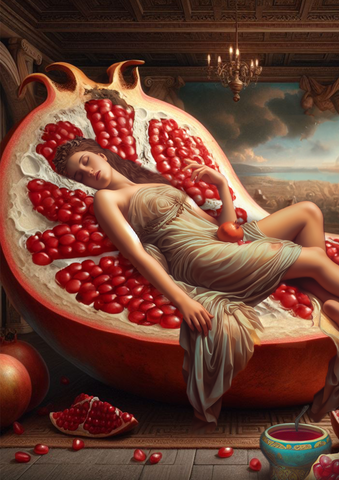
Fertility symbolism was taken to a whole new level, a fruity twist to the saying "Not today.” Imagine a time when pomegranates weren't just a juicy fruit but your go-to contraceptive buddy! Pomegranates represent fertility, but also a pause in fertility—in myth and in life. In ancient Greece, pomegranate seeds and rind were used as birth control. According to a Greek gynaecologist, women should grind the inside of a fresh pomegranate peel, add water, and apply it to their vagina before intercourse. It's like nature's own version of "hold my calls; I'm on a fertility break!—a funny way to pause the baby-making plans but with a fruity twist.
Sweet Solutions for Birth Control - Honey & Acacia:

Records dating back to 1850 BC show us that some of the most popular ancient Egyptian birth control methods included the use of honey and acacia fruit as natural spermicides. Women used to mix unripe acacia fruit with honey and ground dates. They soaked a piece of cotton or other plant fiber in the paste and inserted it in their vagina like honey-infused tampons for birth control!
Love Prevention in a Bottle - Olive Oil:

Surprisingly, olive oil wasn't just for drizzling on salads but also for spicing up the love lives of our ancient counterparts? The Greeks in the 4th century made natural ointments filled with olive oil and cedar oil acting as spermicides. They rinse or douche after having sex to reduce the chance of pregnancy. Who would have thought that the key to romance and contraception was hiding in the pantry all along? It's fascinating how ancient wisdom discovered unconventional solutions.
Plush Virtual Contraceptive Museum - Exploring Contraception Through Art:

Now, let's explore Contraception Through Art. The Plush Virtual Contraceptive Museum opens a window into the past through innovative virtual art. It's not a typical museum—it's an innovative virtual space designed to reshape how we talk about contraception.
Here, we're shedding light on the quirky history of birth control, spotlighting some unconventional methods of prevention. But here's the twist: these unconventional methods aren't just history lessons. Talented artists have turned them into stunning artworks that'll leave you amazed.
From vibrant illustrations to captivating paintings, every piece tells a story of the surprising ways people once tackled family planning. It's like walking through a gallery where lemons become masterpieces and honey transforms into art. So, come explore Plush Virtual Contraceptive Museum and be amazed by the unique portrayal of contraception's history.
Conclusion:
In wrapping up, our ancestors got pretty creative with birth control when modern options weren't around. With no alternatives, they not only believed in these myths but also applied them in their daily lives. Little did they know that, instead of controlling the birth of new life, these methods posed risks to the existing one.
But hey, times have changed! Now, we live in a world where we've smartened up about contraception. The conversation has shifted, and information is just a click away. Just like contraception is essential, so is knowing about it. Clear your doubts with a gynaecologist & get reliable info. Plan your family with clarity and safety, not with myths and risks. It's your life – make it informed and awesome!