Navigating the Wild Ride of Pregnancy Hormones: Conquering Mood Swings
Welcome to the thrilling roller coaster ride of pregnancy mood swings. Just like any epic journey, there are highs, lows, and plenty of unexpected twists and turns – especially when it comes to those hormonal changes during pregnancy. But fear not, mama-to-be! In this blog, we're strapping in and gearing up to tackle those mood swings head-on with some useful pregnancy tips for first time moms.
PS: Mood swings are totally okay during pregnancy… you are growing a whole new human inside of you!
Understanding Pregnancy Hormones

Hormonal changes during pregnancy are natural and essential, as your body adapts to support your growing baby. Several key hormones play important roles:
-
Estrogen and Progesterone: These hormones rise dramatically throughout pregnancy. They help maintain the uterine lining, support fetal development, and prepare the body for breastfeeding.
-
Human Chorionic Gonadotropin (hCG): hCG, often called the “pregnancy hormone,” is the first hormone produced by the embryo and then by the placenta after conception. Its job is to signal the body that pregnancy has begun and triggers the production of other hormones like progesterone and estrogen. A Plush Pregnancy Kit can detect hCG early and accurately at home.
-
Cortisol: During pregnancy, cortisol - often called the “stress hormone” - naturally increases, supporting fetal organ development and interacting with other maternal hormones, which can influence mood and emotional sensitivity. While this rise is normal and important, extremely high or prolonged levels may affect both mother and baby, so overall wellbeing is key.
Why Mood Swings Happen During Pregnancy

Hormonal changes during pregnancy, including shifts in stress-related hormones like cortisol and fluctuations in reproductive hormones, are associated with mood changes and may contribute to symptoms of anxiety or depression during pregnancy and the postpartum period. While every woman's experience is unique, common factors contributing to those unpredictable pregnancy mood swings mood swings include:
-
Hormonal Imbalance: Fluctuations in estrogen, progesterone, and other pregnancy hormones naturally occur throughout pregnancy. These changes can affect neurotransmitter activity in the brain, which may lead to mood swings, increased emotional sensitivity, or temporary changes in how you feel.
-
Fatigue: Pregnancy turns your body into a 24/7 construction site, building a cozy nest for your little one. All that heavy lifting can leave you feeling more drained than ever.
-
Stress and Anxiety: From nursery decor dilemmas to baby name debates to “Will I be a good parent?”, pregnancy comes with its fair share of stress-inducing plot twists. Add in the anticipation of childbirth, and it’s no wonder your emotions are throwing a dramatic tantrum.
-
Physical Discomfort: As your body changes and your baby grows, you may experience nausea, back pain, and insomnia – all of which can trigger or worsen hormonal mood swings.
Pregnancy Tips for First Time Moms to Handle Mood Swings
Ready to conquer those pregnancy mood swings? Buckle up, because here come the strategies:
-
Self-Care Extravaganza: Treat yourself to some much-needed TLC with gentle exercise, prenatal yoga, or zen meditation sessions. Who says pregnancy can't be a spa day?
-
Get Moving: Gentle exercise is your mood-boosting sidekick, fighting stress and promoting better sleep.
-
Eat Nutritious Foods: Fill your plate with fruits, veggies, and whole grains. Balanced nutrition helps regulate hormones in pregnancy.
-
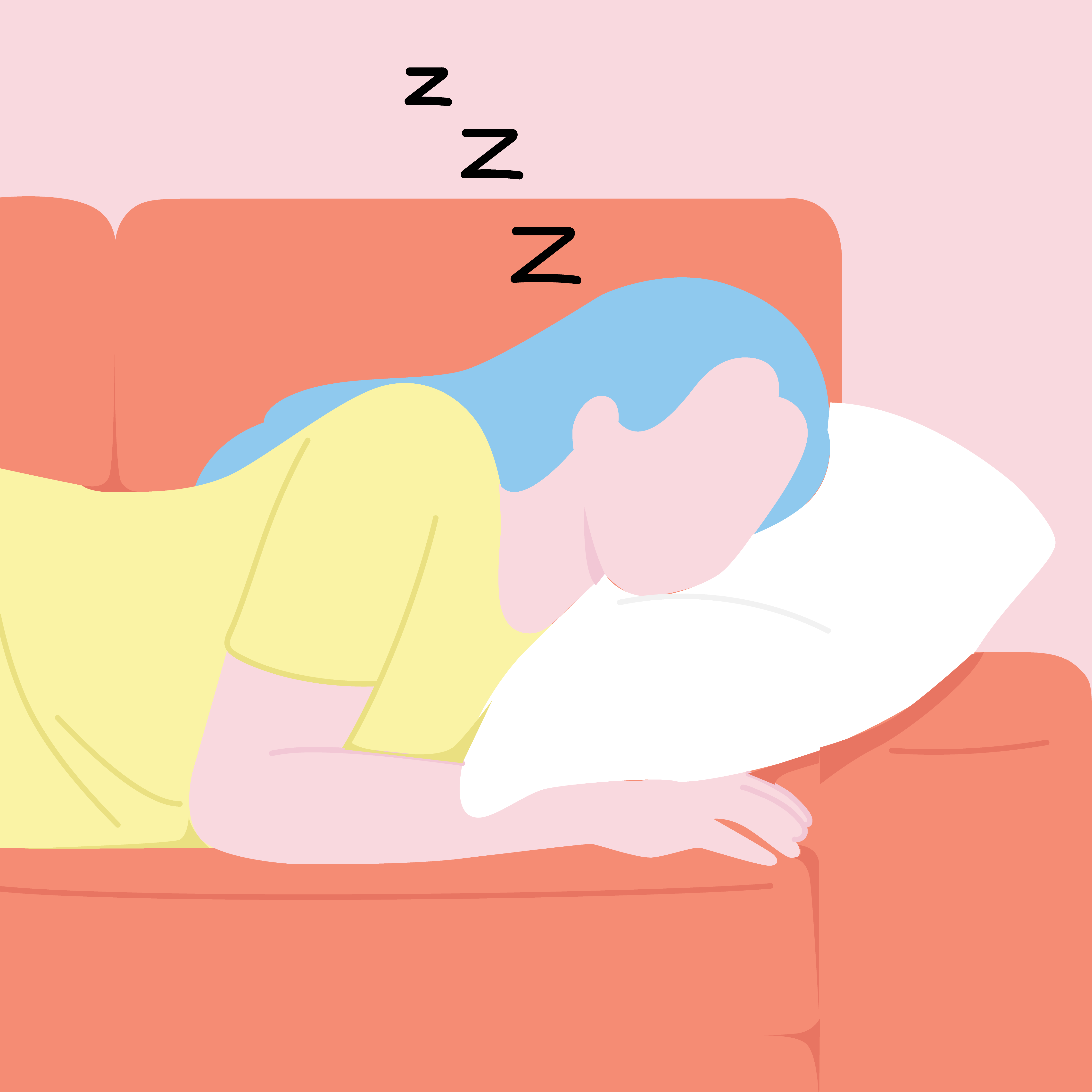
Snooze Like a Boss: Don’t skimp on sleep – it helps with emotional regulation and hormonal balance.
-
Lean on Your People: Share your feelings with your partner, friends, and family. Social support is one of the best pregnancy tips for first time moms.
-
Talk to a Therapist: If your mood swings feel overwhelming, seeking professional support is a great step. Therapy can be incredibly helpful during times of hormonal changes during pregnancy.
-
Practice Mindfulness: Deep breathing and body relaxation techniques can do wonders for calming your mind and easing emotional turbulence.
P.S. Confused Between PMS & Pregnancy?
Feeling moody, bloated, and craving pickles with chocolate? We get it! The line between PMS and early pregnancy symptoms can be blurry. If you’re trying to conceive or just feeling unsure, consider tracking your cycle more accurately with the Plush Ovulation Kit - it's your bestie for figuring out your fertile window. accuracy. No stress, no second-guessing, just a little peace of mind, one test away. Plus, if your PMS comes with cramps, back pain, or tenderness, you might find our guide on Crack the Code to Period Pain Relief! helpful for distinguishing and managing those symptoms. And if your period’s late, the Plush Pregnancy Kit can help you get a clear answer with 99% accuracy. No stress, no second-guessing, just a little peace of mind, one test away.
In a Nutshell:

Pregnancy is a whirlwind adventure, complete with cravings, backaches, and yes – pregnancy mood swings. But armed with hormone know-how and self-care strategies, you can manage the chaos and feel more in control. Whether you’re looking for pregnancy tips for first time moms or just trying to understand those pesky hormonal changes during pregnancy, know that you’re not alone on this ride. The journey may be bumpy, but the destination? Oh, it's worth every twist and turn!
And once your little one arrives, the hormonal ride continues in a different form. Don’t miss our blog on Navigating Postpartum Nutrition for what to eat (and avoid!) after birth.
FAQs
Q: Are pregnancy mood swings normal?
Absolutely! Most women experience some level of pregnancy mood swings due to fluctuating hormones in pregnancy.
Q: When do hormonal mood swings start during pregnancy?
They can begin as early as the first trimester and may continue throughout the pregnancy as your hormone levels shift.
Q: How can I naturally manage hormonal mood swings?
Follow basic pregnancy tips for first time moms - eat well, get sleep, exercise, talk it out, and prioritize mental health.
Q: Are certain hormones responsible for mood swings?
Yes! Estrogen, progesterone, and cortisol are the main culprits behind hormonal mood swings during pregnancy.
Q: How can I confirm if my mood swings are related to pregnancy?
A: A simple pregnancy test can help! The Plush Pregnancy Test Kit is easy to use and gives early detection results in minutes.